What It Is, Why We Recommend Against It, and What to Do If Your Kids Are Already Playing
Our Verdict: We Recommend Against Roblox for Most Families
Roblox is one of the most popular platforms among children ages 6 to 14, and we understand that makes this a difficult conversation. We are not here to tell you what to do. But after evaluating the platform thoroughly, Engaged Family Gaming recommends against Roblox for most families, particularly for children under 13.
The concerns are not minor and they are not fixable with parental controls alone. User-generated content with inconsistent moderation, open chat with strangers, significant spending pressure, and now in-game access to AI chatbots with no parental override combine into a risk profile that we think outweighs the entertainment value for most kids.
If your child is already playing, this guide will help you reduce those risks as much as possible. But we wanted to be honest with you about where we stand before we walk you through the settings.
What Is Roblox?
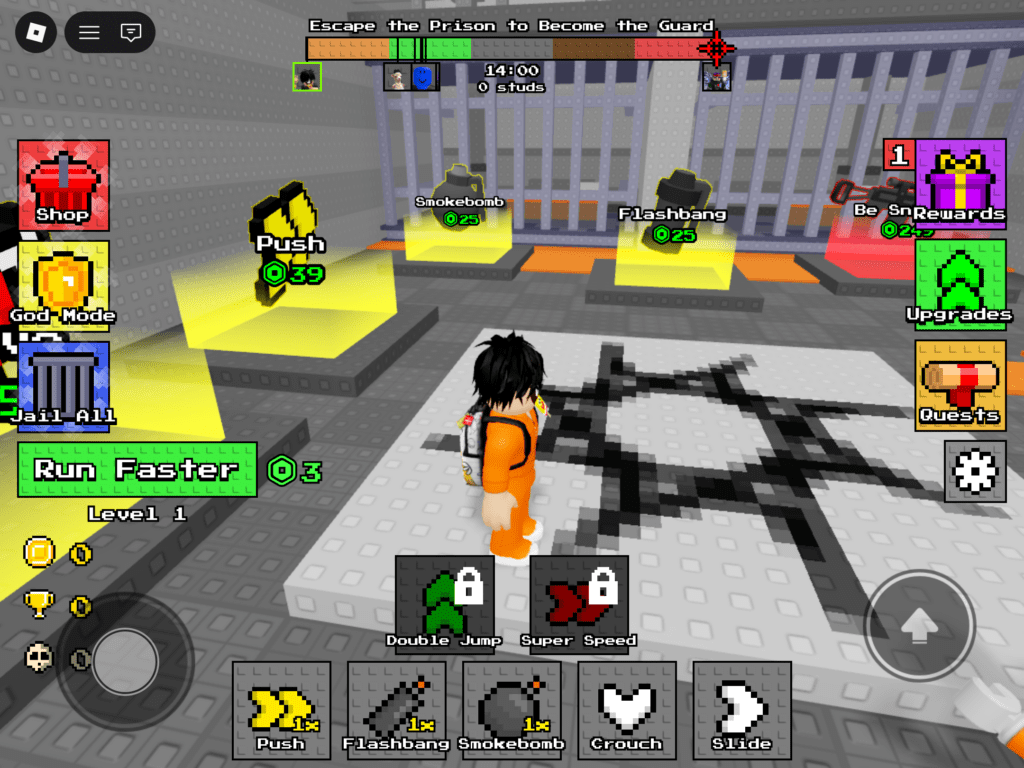
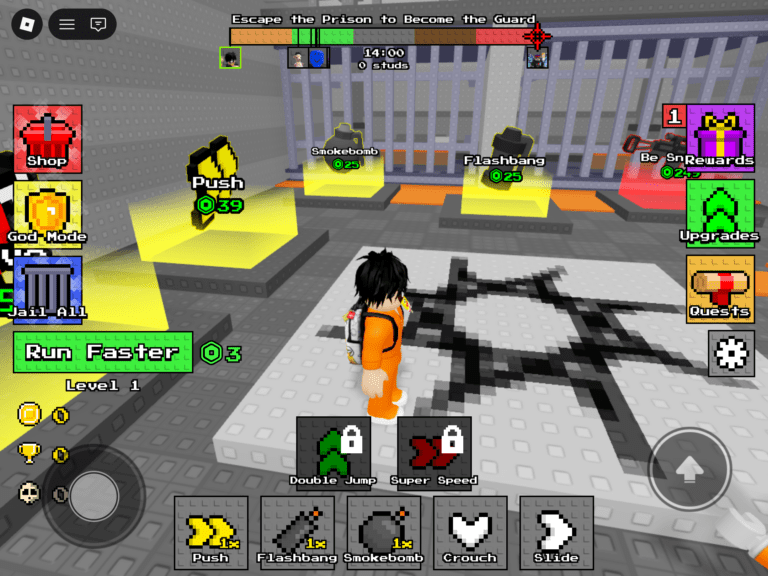
Roblox is not a single game. It is a platform that lets users create and share their own games (called experiences) which other players can access for free. As of 2025, there were over 40 million user-created experiences on the platform, ranging from obstacle courses and pet simulators to role-playing games and virtual hangout spaces.
The user-generated model is central to understanding why Roblox is both so appealing to children and so difficult to keep safe. Roblox employs automated moderation and a Trust and Safety team, but no system can meaningfully monitor 40 million experiences. The platform’s scale is precisely what makes consistent content quality impossible to guarantee.
| Basic Facts | Details |
|---|---|
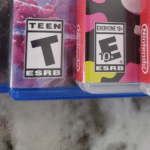
| ESRB Rating | T for Teen |
| Platforms | PC, Mac, iOS, Android, Xbox, PlayStation |
| Cost | Free to play (Robux purchases optional) |
| Minimum Age | No minimum set by the platform |
| Online Multiplayer | Yes, It is core to the experience |
| Voice Chat | Available for verified users 13 and older |
Why We Recommend Against Roblox
Our recommendation is based on four overlapping concerns. None of them alone would necessarily be disqualifying. Together, they form a risk profile that we think most parents would not accept if they fully understood it.
Concern 1: User-Generated Content With Inconsistent Moderation
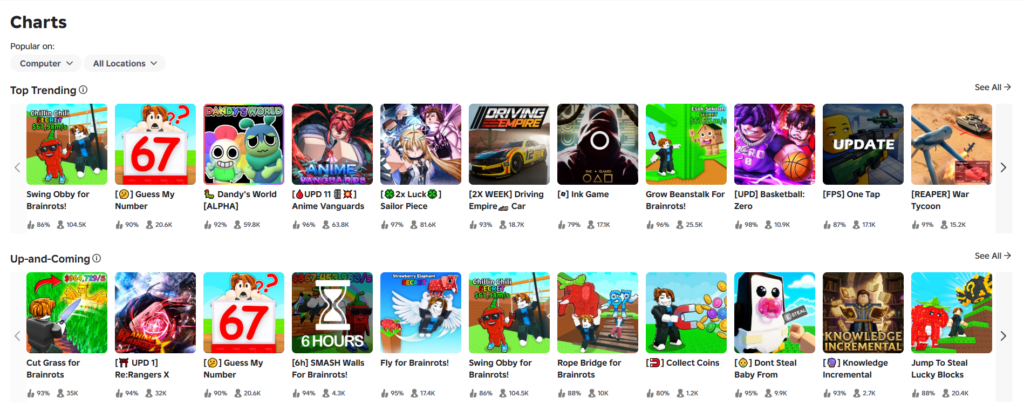
Roblox’s greatest appeal is also its greatest problem. Because any user can publish a game, the platform contains content that ranges from genuinely wholesome and creative to violent, sexually suggestive, and deeply inappropriate for children. Roblox reviews games before they go live, but the volume makes thorough review impossible.
Games with concerning content are regularly reported and removed. But, unfortunately, they reappear, often under slightly different names, sometimes within hours.
Roblox Shower Simulator is one well-documented example: a game with sexual themes that went viral among children in 2024. Roblox removed it repeatedly. New versions kept resurfacing. Parents who had never heard of it discovered their young children had been playing it.
The ESRB may have given Roblox a T rating. But, We don’t feel like that accurately reflects the reality of what children encounter. The only way we can see it as accurate is if we assume the rating was assigned to Roblox as a platform, not to the 40 million individual games on it. (Caveat – we know that the ESRB couldn’t possible hope to review all of those games. We don’t have unrealistic expectations here. But, there is no doubt that it is a limitation.)
What This Means in Practice
Your child does not have to seek out inappropriate content on Roblox. A friend can invite them into a game, a recommended title can appear on the home screen, or they can stumble into something while exploring. The platform’s structure makes exposure difficult to prevent through monitoring alone.
Concern 2: Open Chat With Strangers
Roblox has text chat filtering across its platform, and the system is genuinely more robust than many comparable platforms. In 2025, Roblox even upgraded its filtering with an AI-powered rephrasing tool that rewrites flagged messages rather than simply replacing them with ‘####’. The stated goal is a more natural, respectful chat environment.
But filtering technology addresses language, not intent. An adult who wants to contact a child on Roblox does not need to use profanity to do so. Their patterns are straightforward and well documented:
- Someone befriends a child over multiple gaming sessions
- They build trust through friendly conversation that passes every filter
- Eventually asks to move the conversation to Discord, Snapchat, or another platform where Roblox’s safety systems have no reach.
Children under 13 receive more restricted default chat settings, but these can be changed, and the restrictions do not prevent contact from other users in the games they join. Voice chat (available to verified users 13 and older) bypasses text filtering entirely.
On the AI Chat Rephrasing Update
Roblox’s AI rephrasing system is a meaningful improvement for reducing profanity and aggressive language in public chat. When a message is rewritten, the sender is notified. The system currently applies only to in-game text chat, not direct messages.
What it does not change: the platform still allows open contact between children and strangers. Grooming does not require profanity. The underlying risk profile of open multiplayer chat with unknown adults remains.
Concern 3: Sustained Spending Pressure
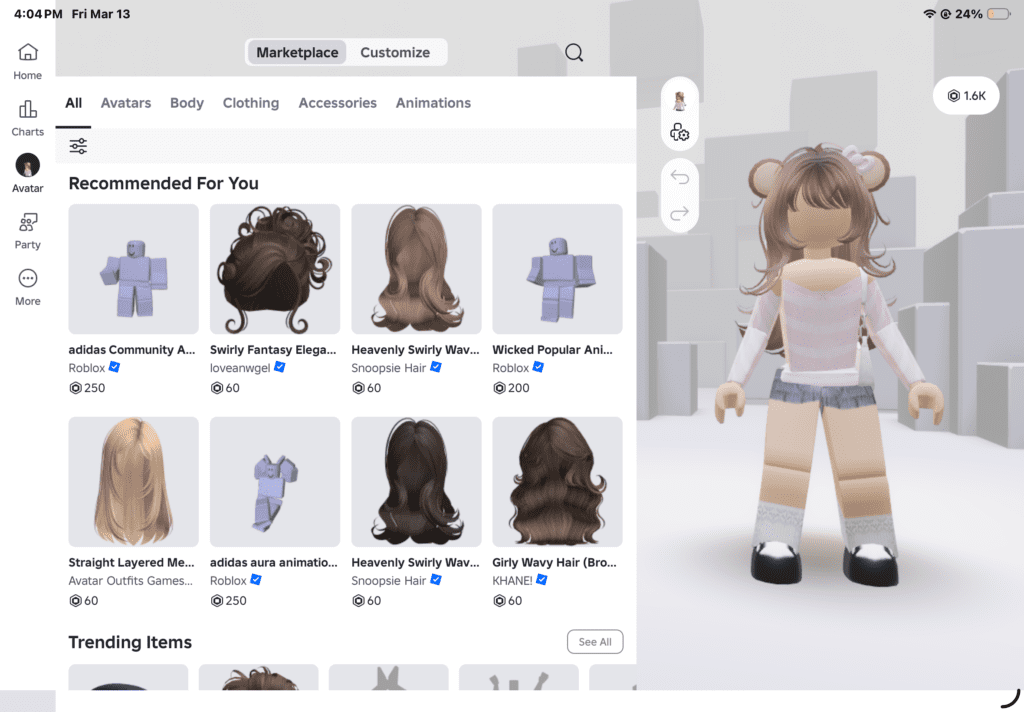
Roblox runs on Robux, a virtual currency purchased with real money. Robux buys cosmetic items, avatar accessories, game passes, and access to premium features within individual games. There is no upper limit on what can be spent, and the platform’s design creates consistent social and psychological pressure to keep spending.
Children see peers with rare items. Limited-time offers create urgency. Individual purchases feel trivially small like a game pass for 50 Robux or a hat for 30, but they can all add up.
Parents who connect a credit card and do not enable purchase restrictions are definitely at risk to find some surprises.
Roblox does offer parental spending controls, including monthly limits and purchase approval requirements. But these controls are not the default, its possible for a child to play on an account where a parent has never visited the parental dashboard.
You can fiind a list of the current Robux Bundles and their costs on the Roblox website.
Concern 4: In-Game AI Chatbots With No Parental Override
This is the most recent concern and, in our view, the most troubling, because A LOT of parents do not know it exists.
Many Roblox games now include AI chatbots that allow children to have open-ended text conversations with large language models, including ChatGPT and Google’s Gemini. A child playing what looks like a standard role-playing game may be typing messages to and receiving responses from a full AI system, with no indication to parents that this is happening.
Roblox’s policy requires creators to disclose AI use and restricts games with ‘extended AI interactions’ to users 18 and older. The problem is how Roblox defines extended. According to the company, extended means ‘ongoing, unlimited conversations.’ Brief AI conversations during regular gameplay do not qualify.
In practice, game creators have found that structuring their AI features to include daily message caps or disabled conversation history is enough to classify as ‘limited,’even when children are still having substantive back-and-forth with an AI.
The Parental Control Gap
Roblox currently offers no parental control that blocks access to games using AI interactions. This means that even if you have restricted ChatGPT, Gemini, or similar tools in your home, your child may be accessing equivalent AI conversations through a Roblox game on their regular account, with no notification to you and no way to block it through Roblox’s own settings.
This is not a hypothetical edge case. Games built around AI character conversations are among the most popular experiences on the platform.
If Your Kids Are Already Playing: Reducing the Risks

We recognize that for many families reading this, the question is not whether to allow Roblox. Your kids are already playing and you don’t want to take it away. Instead, you want to know how to make it safer for children who are already using it.
This section is for you.
The controls below will not eliminate the concerns we’ve outlined, but they represent the strongest reasonable protection currently available.
Step 1: Link a Parent Account and Set a PIN
Go to your child’s Roblox account settings and add your parent email under Parental Controls. Once confirmed, create a 4-digit PIN. Without this PIN, your child can change any setting you configure. This is the most important step, because everything else depends on it.
Step 2: Restrict Contact Settings
In the parental dashboard, set who can send your child friend requests and direct messages to Friends Only, or No One for younger children. This will not prevent chat in shared game sessions, but it limits unsolicited contact outside of gameplay.
Step 3: Set Content Maturity Limits
Roblox allows you to restrict which content maturity levels your child can access. For children under 13, set this to the most restrictive available tier.
NOTE: This limits the games they can join, but this isn’t foolproof. Experiences are misclassified all the
Step 4: Lock Down Spending
Enable purchase approval in your parental dashboard so every transaction requires your confirmation. If you prefer to allow some spending, set a monthly Robux limit. Consider using gift cards rather than a connected credit card. This will make sure that when the balance is gone, spending stops.
Step 5: Know Which Games Your Child Is Playing
The most effective safety measure is awareness. Ask your child regularly which games they are playing and look those games up. Check the game’s detail page for content maturity labels and AI interaction disclosures. Play alongside them occasionally. Children are significantly less likely to encounter or seek out problematic content when they know a parent is paying attention.
A Note About AI Games Specifically
Until Roblox adds a parental control to block AI interaction games, the only available tool is conversation. Tell your child directly: if a game has a character they can have a long back-and-forth conversation with, they should tell you before continuing to play it. This is worth being explicit about, because it can be tough to recognize in-game AI as different from regular game characters.
Conversations to Have With Your Child About Roblox
One of the most effective safety tools available to parents costs nothing and requires no settings menu: talking to your child directly and regularly about what they encounter online. These conversations work best when they happen before a problem arises, not after. Keep the tone open rather than alarming. The goal is to make your child comfortable coming to you, not to frighten them away from talking.
Safety and Comfort
- If anyone online makes you feel uncomfortable, you can leave the game immediately and tell me. You will not be in trouble, ever. I would rather know.
- You never have to stay in a game or conversation that feels weird or wrong, even if a friend invited you or you don’t want to seem rude. Your comfort comes first.
- If you see something in a game that surprises you or seems like something you shouldn’t be looking at, come tell me. I won’t be upset with you for stumbling onto something, I just want to know.
Personal Information
- No one online needs to know your real name, the name of your school, how old you are, where you live, or your phone number. This applies to everyone. And everyone includes people who seem nice, even people you have been playing with for a long time.
- If anyone ever asks for that kind of information, even casually, that is something I need to know about right away.
- Your username and your avatar are not personal information. Your real life is. Keep those two things completely separate.
Moving Off the Platform
- If someone asks you to move a conversation to Discord, Snapchat, another app, or any website outside of Roblox, that is a warning sign, and I need you to tell me before you do anything. It does not matter how nice that person has been up until that point.
- People who want to talk to children away from a platform’s safety systems usually have a reason for that. A genuine friend your age will not pressure you to take the conversation somewhere private.
Online Friendships
- A person you know only from a game is not the same as a friend in real life, even if you have played together many times and they have always been friendly. You do not know who they really are.
- It is okay to enjoy playing with people online. Just keep in mind that you are sharing a game with them, not your life. Be friendly, but be careful with how much you share and how much you trust.
AI Characters
- Some games on Roblox let you have real back-and-forth conversations with characters that are powered by AI, a computer program, not a real person, but one that can talk with you the same way a person might.
- If you find a game where you can have a long conversation with a character and it feels like that character really understands you or remembers what you said, tell me about it before you keep playing. I want to know which games have that feature.
- AI characters are designed to be engaging and to keep you talking. That is not the same as them actually caring about you.
How You Treat Others
- Being kind online matters just as much as being kind in person. The people you play with have real feelings, even if you never meet them.
- If you see someone being bullied or treated badly in a game, you can report it and you can leave. You do not have to participate or watch.
- How you act when you think no one is paying attention says a lot about who you are. I trust you to make good choices.
Keeping the Conversation Open
- You can always come to me with something you saw, heard, or experienced online — no matter what it is. I would always rather talk about it than have you carry it alone.
- We are going to check in about this regularly, not because I don’t trust you, but because the internet changes and I want to stay up to date on what you’re dealing with.
You Know Your Child Best
Roblox is one of the most talked-about platforms among kids right now, and that is unlikely to change soon. We understand that saying no to something this popular is not always a simple conversation. We also know that that for some families, saying no is not on the table at all.
Our job at Engaged Family Gaming is not to make these decisions for you. It is to make sure you have the full picture before you make them yourself.
What we know is this: Roblox presents a combination of risks that are not fully solvable through settings alone.
- User-generated content that moderation cannot fully control.
- Open chat with strangers on a platform used heavily by adults and children alike.
- A spending model built to encourage ongoing purchases.
- And now, in-game access to AI chatbots that parents currently have no tool to block.
- These concerns exist whether your child plays for twenty minutes a week or two hours a day.
If you decide Roblox is not the right fit for your family right now, that is a reasonable call backed by real evidence. You are not being overprotective.
If you decide to allow it with the controls and conversations in place, you are doing what good parents do. You’re staying informed. You’re staying involved. And you’re making a judgment call with your child’s specific situation in mind.
Either way, keep talking to your kids. Check in on what they are playing. Make it easy for them to come to you when something feels off. Those habits matter more than any platform-specific setting, on Roblox or anywhere else.
We will keep watching how this platform evolves and update this guide when things change.
About The Author